Hygiene Audit Failure: How Housekeeping Facility Management Services Help
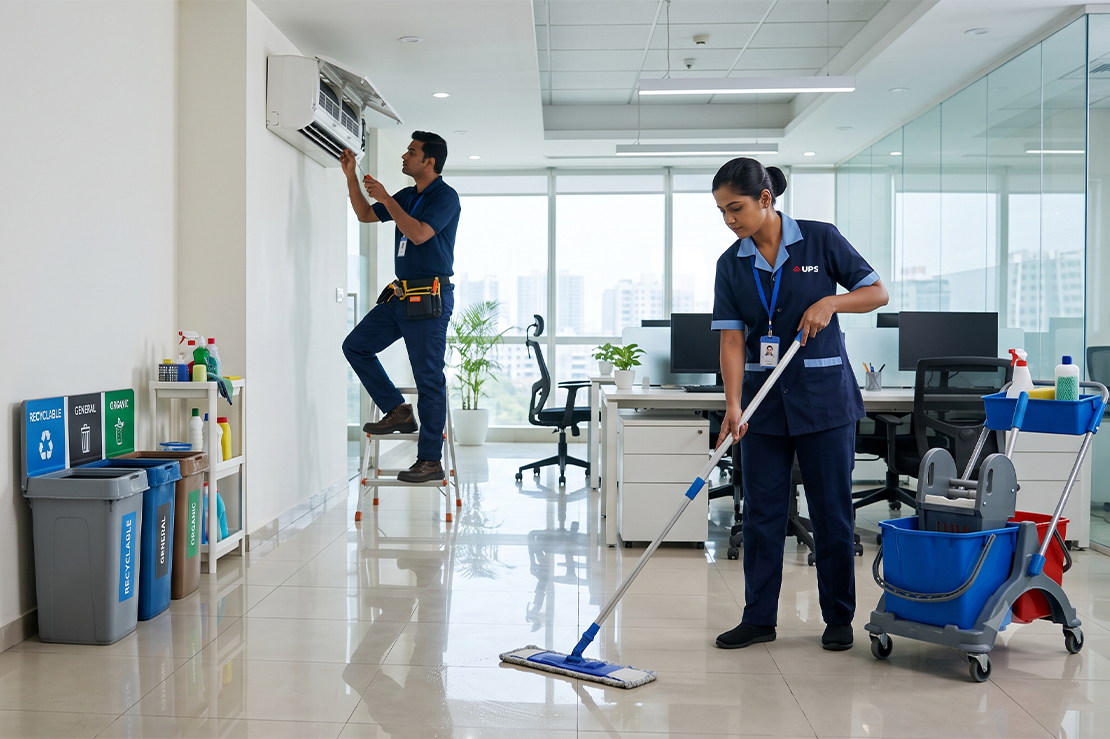
Picture the scene: the housekeeping supervisor walks the floor an hour before inspection, ticks off every item on the checklist, and still gets blindsided by a failure. Nothing looked wrong. Floors gleamed, bins were empty, and the disinfectant smell hadn’t even faded. That contradiction-cclean by the checklist, unhygienic by the swab test- is exactly why ‘housekeeping’ and ‘hygiene management services’ stopped meaning the same thing in facility management a while back. Good housekeeping facility management services aren’t the ones who mop harder. They’re the ones who understand that difference before an auditor has to point it out.
Where Hidden Hygiene Problems Actually Hide
Here’s the uncomfortable part: a visual inspection only ever catches about half the picture. The rest needs something sharper: ATP (adenosine triphosphate) swab testing on high-touch surfaces, lift buttons, and shared keyboards, which measures the residual organic contamination a cloth wipe leaves behind, even when the surface looks spotless. These points behave like a reservoir, re-contaminated within minutes by the next hundred hands that touch them. Which is exactly why a facility cleaned right on schedule can still fail an audit that happens to land two hours later. It isn’t bad luck. It’s biology.
Cleaning and Hygiene Management Are Not the Same Job
Cleaning removes what you can see. Hygiene management controls what you can’t: the transfer of contamination between areas, and that’s the exact distinction where most facilities quietly lose points. A single cloth dragged across a restroom and then a pantry is a cross-contamination risk, no matter how clean either surface looks afterwards. That’s the entire logic behind colour-coded cleaning equipment: one colour per zone; it’s a system, not a design choice someone made because it looked tidy on a supply shelf. Facility management housekeeping services that skip this distinction usually end up with SOPs written for cleanliness, not hygiene. Auditors can tell the difference immediately.
Restrooms and High-Traffic Zones Need Their Own Rules
A restroom cleaned once every four hours on a footfall of thirty people an hour is a completely different hygiene risk than the same restroom serving three hundred, yet most cleaning rosters treat them identically. Tying cleaning frequency to actual footfall, not a fixed clock, is what keeps high-traffic zones from becoming the one area an audit always flags. Inspectors weigh restrooms and shared touchpoints more heavily than general floor space for a reason: that’s where hygiene management services earn their keep, because that’s where failures compound fastest.
Waste and Sanitation Are Part of the Same System Waste and Sanitation Are Part of the Same System
A hygiene audit doesn’t stop at the cleaning schedule, and treating waste as somebody else’s department is usually where the trouble starts. Waste segregation gaps and poorly maintained storage areas generate odour and contamination that travels well past the bin itself. Facility management housekeeping services that treat waste handling as separate from general cleaning are, almost without exception, the ones caught off guard when it shows up as a line item on the audit report.
Closing the Loop After an Audit Fails
A failed audit is only worth something if it actually changes what happens next week. That means fixing the specific gap immediately, yes, but also checking whether it’s a one-off or a pattern by pulling inspection records for that same area, besides building a checklist that tracks repeated observations instead of treating every failure like it’s the first time it’s happened. There’s usually a pattern behind repeat failures. Whether it’s restrooms, high-touch surfaces, or waste zones, the real problem is the same: the schedule was never adjusted after the first flag.
Conclusion
None of this calls for new equipment or a bigger budget. It calls for someone to read the audit report and adjust the schedule, instead of running the exact same round the following week and hoping the outcome changes on its own. If your last hygiene audit flagged something that’s since happened again, that’s not the facility failing. That’s the housekeeping plan overdue for a rewrite, and if yours needs one, we’re glad to help.
Check out how UPS approaches this on our website or get in touch and let’s talk through your last assessment together. Visit upsfm.com.
Frequently Asked Questions About Housekeeping Facility Management Services
What are housekeeping facility management services?
Coordinated cleaning, sanitation, and inspection functions that keep a facility hygienic, not just visibly clean, on a defined schedule.
What do facility management housekeeping services include?
Daily cleaning, high-touch disinfection, restroom and waste area maintenance, and inspection tracking across the facility.
What are hygiene management services?
The layer above cleaning that controls contamination transfer between zones, using colour-coded equipment, SOPs, and checks like ATP testing.
Why is hygiene management important in facility management?
A facility can look spotless and still carry real risks: cross-contamination between zones, re-contaminated high-touch surfaces, and poor waste handling that only hygiene management actually controls.
How often should facility hygiene inspections be conducted?
Frequency should follow footfall and risk level; high-traffic zones need more frequent checks than low-use areas.
How can housekeeping services maintain consistent hygiene standards?
By tracking repeated observations from inspections and adjusting schedules before the same gap gets flagged twice.
Have any feedback or questions?
Contact us!