From Termites to Mosquitoes: Common Apartment Pest Problems and How to Tackle Them
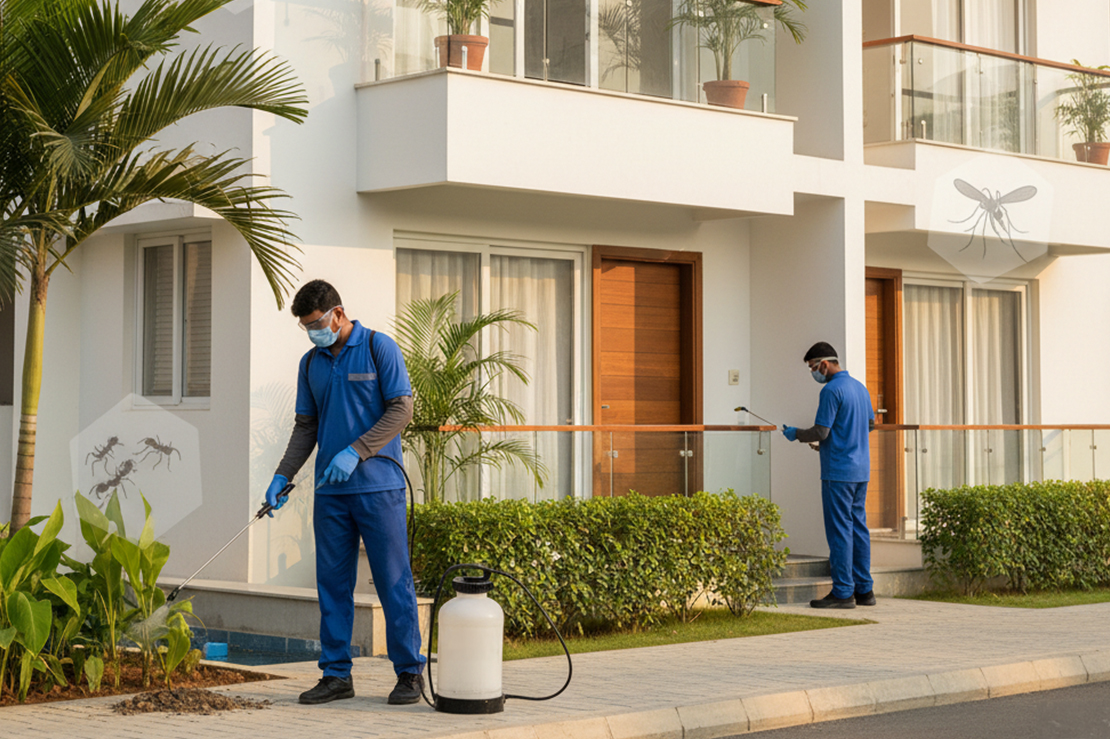
From termites that eat wooden doors to mosquitoes ruining evenings, apartment pests can disrupt daily life in countless ways. The residents realise the trouble only when the damage has been done, so pest control in residential societies turns out to be a necessary part of apartments being safe, clean, and cosy. Preventive facility management is the key to preventing infestations from becoming an ugly affair.
Top 5 Common Apartment Pest Problems
1. Termites – Structural Damage You Don’t See Coming
Termites feed silently on wooden doors, panels, and even structural joints. They thrive in moisture-prone areas such as basements and garden fencing.
Without regular termite control in apartments, the damage often stays hidden until repairs become expensive. Seasonal inspections and preventive treatment by professionals are the most reliable protection.
2. Rats – Property and Electrical Threats
Rats and mice are among the biggest outdoor pests in apartment complexes. They enter through drains, garbage rooms, or ducts and cause damage by chewing through wires, insulation, and pipelines.
Beyond hygiene risks, rodent activity can cause short circuits and fire hazards.
An effective facility management pest control plan includes sealed entry points, covered garbage bins, baiting stations, and regular monitoring, not just reactive trapping.
3. Mosquitoes – A Shared Health Risk
In a city like Chennai, mosquitoes thrive year-round, especially after rains. Still water on rooftops, flower pots, and open drains makes perfect breeding grounds.
Mosquito control in housing societies should focus on eliminating standing water, conducting routine fumigation, and educating residents to keep their balconies and surroundings clean.
Preventive fumigation cycles every 20–30 days during monsoon months drastically reduce risks of dengue and malaria.
4. Snakes – Safety in Green Zones
In large communities with open grounds, parks, or garden areas, snakes occasionally find shelter in overgrown vegetation or near water sources. While not all are venomous, they pose safety concerns.
Regular landscaping, waste segregation, and blocking burrows or rodent nests reduce snake movement within the premises.
5. Stray Animals and Birds – Hidden Maintenance Impact
Stray dogs, cats, and pigeons might not seem like “pests,” but their droppings, nesting, and digging habits can damage outdoor furniture, AC ducts, and solar panels.
Why These Pests Thrive in Apartments
Apartment layouts and shared infrastructure make it easier for pests to move and breed:
- Common ducts and drains allow rodents and insects to spread between blocks.
- Open waste areas attract rats and stray animals.
- Still water sources like sumps, tanks, or planters invite mosquitoes.
- Seasonal weather changes — Chennai’s humidity and monsoon cycles accelerate infestations.
This is why pest management in facility management must address both individual units and shared community zones together.
Effective Solutions for Each Pest
For Termites:
- Conduct annual inspections by licensed professionals.
- Apply preventive barriers during repainting or renovation.
For Rats:
- Seal service ducts and drain openings.
- Use covered garbage bins and maintain daily cleaning schedules.
- Place tamper-proof bait boxes around basements and parking areas.
For Mosquitoes:
- Eliminate standing water in planters, terraces, and drainage channels.
- Conduct fumigation and larvicidal treatments every month.
- Engage residents through awareness drives simple home-level prevention.
For Snakes and Stray Animals:
- Keep lawns trimmed and clear debris near boundary walls.
- Secure waste collection points to avoid attracting rodents.
- Partner with local animal control or wildlife departments for safe relocation.
Role of a Facility Manager in Pest Control
Facility managers are the first line of defence against apartment pests, ensuring pest control in residential societies is carried out consistently. Their areas of responsibility include regular inspections, scheduling professional pest control services, and educating residents about simple preventive practices. Resident hygiene, trash disposal, and water storage habits checklists are simple but effective practices. A good facility manager standardises preventive practices, which contrasts with the complaint-driven reaction.
Preventive vs Reactive Measures
Preventive and reactive methods vary, but proactive pest management in facility management saves costs and reduces health risks. Active pest control within residential communities is a cost-cutting initiative that minimises health hazards. Scheduled mosquito fumigation, regular cockroach sprays, and routine termite checks establish a contained environment. To put this into perspective, internal considerations like our last blog on preventive facility maintenance illustrate how foresight keeps major failures at bay.
Conclusion
The best way to manage apartment pests is by preventive care accompanied by timely action, all merged under a strong facility management plan. Starting termite control in apartments, pest management in facility management, and regular mosquito control in housing societies make residents secure from health hazards and property damage.
UPSFM’s services consist of quarterly pest inspections, resident educational campaigns, and control treatment by professionals. Join hands with us to ensure your apartment is secured year-round from pests, with clean and sanitary conditions. Visit upsfm.com
Have any feedback or questions?
Contact us!