Optimising Industrial Water Usage: How UPSFM’s WTP Solutions Support Sustainability Goals
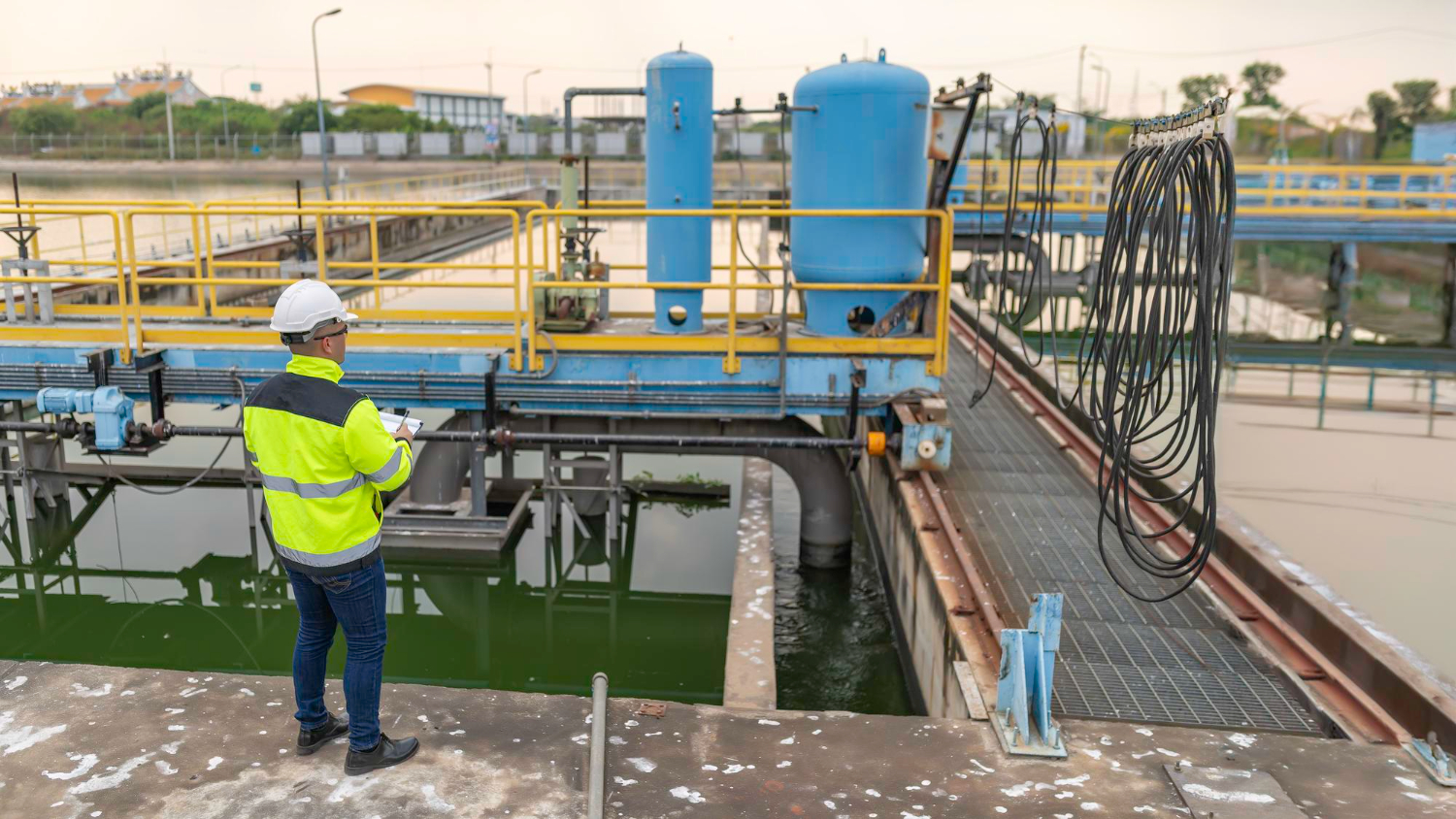
Introduction: Turning Every Drop into Opportunity
Water powers every industrial process. From cooling and cleaning to product manufacturing. Yet, according to the UN World Water Development Report 2024, industries account for nearly 20% of global freshwater withdrawals, much of which remains unrecycled. This puts immense pressure on both cost structures and environmental balance. As sustainability and regulatory responsibility become central to how industries operate, treating and reusing water is an essential part of running a modern, future-ready facility.
UPSFM’s industrial water treatment solutions are built with that reality in mind. They work with industries to treat, recycle, and reuse water more effectively, helping plants save resources, reduce avoidable operating costs, and meet environmental regulations without sacrificing performance
Why Industrial Water Optimisation Matters
Industries today are reaching a point where inefficient water use simply isn’t sustainable anymore. The Composite Water Management Index by the NITI Aayog throws light on an important fact: the groundwater levels in many of India’s major industrial hubs have been falling fast. All this sends a clear signal that industries cannot continue to consider water as an endless resource anymore. Efficiency in its use is no longer a sustainability objective but vital for long-term viability, continuity, as well as resilient growth.
Poor industrial water management:
- Ecological Breakdown: Untreated wastewater carrying chemicals and pollutants often affects the groundwater and local biodiversity.
- Operational Problems: Frequent breakdowns and higher maintenance charges due to corrosion or scaling of machines induced by poor-quality water.
- Resource Vulnerability: Freshwater availability is unpredictable due to climate shift, which can cause supply disruptions.
- Regulatory Pressure: The Pollution Control Board norms, the discharge limits, and the zero liquid discharge (ZLD) requirements call for stringent monitoring and documented water practices. Non-compliance invites penalties or shutdowns.
Water optimisation is therefore not just about conservation. It’s essential for operational reliability, regulatory confidence, and building circular water systems within modern industrial facility management.
How Industrial WTPs Drive Sustainable Water Management
The WTP is the backbone of industrial sustainability, where wastewater gets transformed into reusable resources. Modern plants operate in multiple stages to ensure efficiency:
- Primary Treatment: Suspended solids, grease, and oil are removed by sedimentation and skimming.
- Secondary Treatment: Biological processes to break down organic waste and stabilise the quality of water.
- Tertiary Treatment: Advanced filtration, UV disinfection, or reverse osmosis for reuse-ready purity.
- Sludge Management: Safely handles and disposes of residual wastes without causing any pollution to the environment.
Each step advances the ability of industrial wastewater solutions to reclaim and reuse water for non-potable purposes, such as cooling, boiler feed, or landscaping.
Common Industrial Water Challenges and How UPSFM Solves Them
Industrial facilities often face recurring water issues that slow operations and increase costs. UPSFM tackles these challenges using a mix of smart technology and sustainability-led practices:
- High Water Wastage: Many plants use more fresh water than necessary. UPSFM sets up closed-loop industrial wastewater recycling systems to maximise reuse and reduce dependence on new water intake.
- System Inefficiencies: Tiny fluctuations in water quality can disrupt entire processes. With UPSFM’s IoT dashboards tracking flow, pH, turbidity and more, issues are spotted early, before they cause downtime.
- Non-Compliance Risks: Staying aligned with Pollution Control Board norms requires consistent monitoring. UPSFM handles routine audits and documentation so facilities remain compliant without scrambling at the last minute.
- High Operating Costs: Inefficient pumps and inaccurate dosing increase treatment expenses. UPSFM introduces energy-efficient systems and predictive maintenance to control costs and boost performance.
Building a Sustainable Approach to Industrial Water Treatment
UPSFM’s method of managing industrial water treatment is built around sustainability from the very beginning. Instead of treating WTP operations as a routine task, the focus is on smarter systems that support long-term environmental goals.
Here’s what sets the approach apart:
Digital Maintenance & Predictive Analytics
UPSFM uses data-driven tools to spot inefficiencies, unusual trends, or early signs of equipment issues, allowing teams to act before problems escalate.
Recycling & Reuse Integration
Water recycling is built into the treatment strategy so industries can naturally align with sustainability goals like ZLD and net zero water.
Eco-Friendly Chemical Management
Smarter dosing techniques and careful monitoring help reduce chemical usage while still maintaining high treatment quality.
Sector-Specific Adaptability
Whether it’s manufacturing, pharma, or food processing, UPSFM customises treatment systems to suit the unique operational demands of each sector.
The Sustainability Impact
For industries seeking to shift towards sustainable practices, optimised industrial wastewater solutions can be a big step up that brings out benefits like:
- Reduced Freshwater Dependence: Recycling systems reduce dependence on freshwater, contributing to long-term security in that resource.
- Regulatory Alignment: Effective treatment and reuse help industries stay aligned with India’s environmental mandates, including ZLD principles and Pollution Control Board discharge norms.
- Stronger ESG Performance: Responsible water stewardship supports environmental, social and governance reporting by demonstrating clear action on resource conservation and sustainable operations.
- Enhanced Community Reputation: Sustainable water practices reinforce an industry’s commitment to protecting local ecosystems and contribute to positive stakeholder perception and community trust.
Key Points
- Water optimisation cuts cost, waste, and environmental risk.
- Industrial water treatment solutions and wastewater treatment solutions enhance compliance and efficiency.
- UPSFM’s smart WTP frameworks ensure reliable recycling, predictive maintenance, and sustainable performance.
- Investing in proactive water strategies ensures resilience for the future of manufacturing.
Ready to make your facility water-efficient and future-ready? Partner with UPSFM’s water management experts to implement intelligent, compliant, and sustainable industrial wastewater solutions.
Have any feedback or questions?
Contact us!