The Human Factor in Automated Plants: Why Skilled Teams Still Matter in Industrial Maintenance
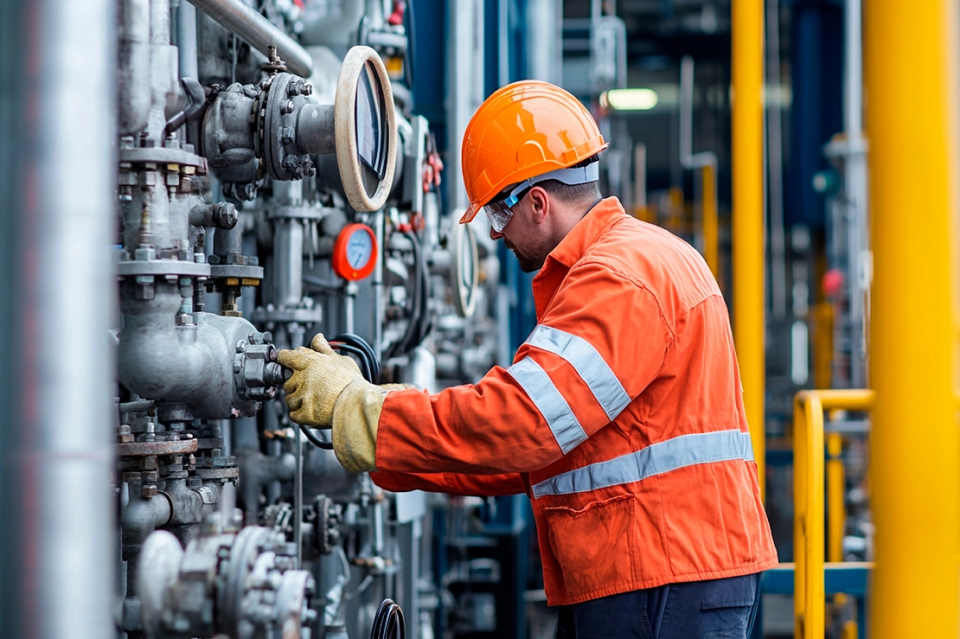
Across India, factories are getting smarter by the day. Robotic arms weld car frames, sensors scan machine health, and systems log performance down to the last bolt. Automation has made production faster and more accurate – no doubt about that.
Still, one simple question lingers: can machines really replace the people who keep them running?
Even as industrial automation in India grows, humans remain the backbone of every plant. It’s the technicians and engineers who keep operations safe, steady, and responsive when the unexpected happens.
What Can Automation Handle in Industrial Maintenance?
Automation has taken over many repetitive jobs in maintenance. It’s good at things that follow patterns, such as:
- Predictive monitoring – sensors spotting wear and tear before breakdowns
- Real-time tracking – dashboards that show how machines are performing
- Energy checks – analytics pointing out where power is being wasted
- Routine inspections – alerts reminding teams when something needs checking
When used well, especially through facility management for manufacturing, these tools keep downtime low and production steady.
For instance, if a vibration sensor detects a spike, the system raises a flag. The maintenance team receives the alert early, checks the line, and resolves the issue before it escalates.
Automation, in short, keeps everyone one step ahead.
Where Automation Falls Short
But even the best systems have limits. Machines follow rules; people think.
A good example – in one industrial plant, a temperature sensor showed an unexpected rise. The software raised the alarm, but a senior engineer quickly realised it wasn’t a fault in the machine at all, but just a blocked cooling pipe. His quick call avoided a shutdown.
Automation handles numbers perfectly, but it struggles with things it can’t predict – a loose wire, sudden power dip, or an operator’s mistake.
That’s where skilled teams come in. They adapt, improvise, and get things moving again.
It’s not just about logic. An experienced technician might hear a strange sound, notice a faint smell, or feel a vibration that doesn’t show up in the data. These small, human observations still prevent major breakdowns every day. That’s why the human workforce in industrial plant maintenance remains irreplaceable.
The Human Edge: What Machines Still Can’t Match
A strong maintenance team brings something automation can’t – judgement.
- Communication: People talk, listen, and understand each other’s pressure points.
- Adaptability: When systems go down, they think fast and act faster.
- Experience: Years on the floor teach lessons no software can.
Compliance checks, safety calls, and process improvements all depend on people. Without skilled workers, even the most advanced plant can stumble at the first surprise.
That mix of technical skill and common sense is what keeps industrial plant maintenance reliable – and it’s why human teams will always matter.
Humans and Automation: Working Hand in Hand
The future isn’t man versus machine. It’s both.
A modern plant blends automation with human insight – the so-called hybrid model. Picture this:
A technician in Pune reviews a digital twin of a production line. The system predicts a bearing fault within three days. The technician checks the trend, adjusts the maintenance schedule, and calls the on-ground crew. When they open the machine, they find a misaligned shaft – something the sensors hadn’t caught.
That’s teamwork – data and instinct side by side.
The market for industrial automation in India was around USD 17 billion in 2025 and is expected to grow to nearly USD 34 billion by 2030, says Mordor Intelligence. Yet, Nexdigm reports one common problem: a shortage of trained technicians who can manage and interpret these smart systems.
To close that gap, companies offering facility management for manufacturing are focusing on training. They’re not replacing people – they’re helping them use technology better. That’s what keeps plants safe, efficient, and future-ready.
Key Takeaways
- Humans still matter: They think on their feet, adapt to change, and make decisions when rules fall short.
- Automation role: Handling data, routine checks, and predictive insights with speed and accuracy.
- The winning mix: Automation plus a skilled workforce in industrial maintenance equals reliability, safety, and growth.
Partner With People Who Understand Both
At the end of the day, machines work best when people guide them.
If your organisation is searching for a partner who understands that balance, UPSFM can help. We combine modern automation tools with a trained, hands-on team that knows how plants actually run.
Get in touch with UPSFM Industrial Experts today – and see how human skills and smart technology can transform your maintenance operations. Visit upsfm.com
Have any feedback or questions?
Contact us!